


Public Transport in Istanbul: Transport Cards, City Passes & Airport Transfers
Public Transport in Istanbul can feel confusing at first, especially if you’re trying to figure out what to buy before your trip.
Visitors constantly ask the same question: should I just get a transport card, or should I also buy a city pass or museum pass? The price gap can look big, and it’s not always obvious what actually saves money. The good news is that getting around Istanbul is usually easy once you understand the system. Between trams, metros, ferries, buses, and funiculars, most sightseeing areas are well-connected.
In this guide to Public Transport in Istanbul, we’ll break everything down step by step. You’ll learn how the transport card works, which transport options are best for tourists, what typical routes look like, and when a pass makes sense (and when it doesn’t). By the end, you’ll know exactly what to buy for a smooth, cost-smart trip.
Let’s walk through the options together and find the setup that makes the most sense for you.
Plan Your Istanbul Trip Better
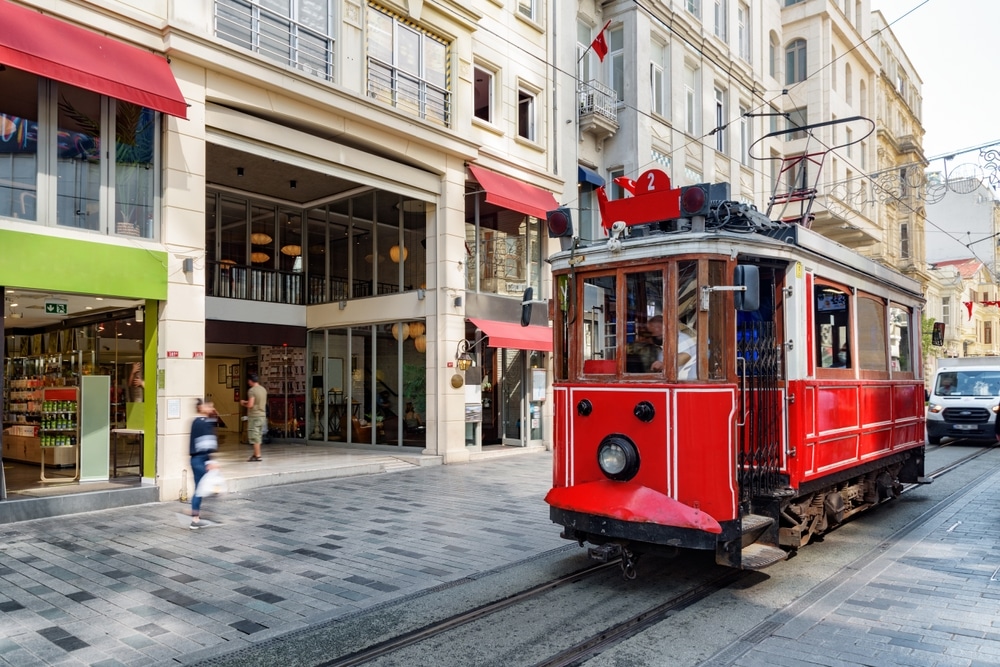
Public Transport in Istanbul: How the System Works
Public Transport in Istanbul is run through a unified, card-based system. This means almost all public transport options use the same payment method, making transfers between different vehicles simple once you’re set up.
You can use public transport across both the European and Asian sides of the city, including historic areas like Sultanahmet, busy districts such as Taksim and Kadıköy, and transport hubs connected to airports and ferry terminals.
The main transport types tourists use are:
- Trams for sightseeing-heavy routes
- Metro lines for longer distances
- Buses for local connections
- Ferries for crossing the Bosphorus
At the center of this system is the Istanbulkart, the official public transport card used by locals and visitors alike. Without it, getting around Istanbul becomes slower and more expensive.
If you prefer a hassle-free option, the Istanbul Public Transportation Card with hotel delivery offers prepaid, unlimited access to metro, trams, buses, Metrobus, and ferries from day one. >> Buy Here!
🚇 Metro
Operating Hours:
Daily from approximately 06:00 to 00:00
(Some lines extend later on weekends)
How to Use:
Enter stations by tapping your Istanbulkart at the turnstiles. Trains run frequently, and station signage is clear in English. > See the Map Here
Main Metro Lines Useful for Tourists:
- M1A: Yenikapı – Atatürk Airport (connects with tram at Aksaray)
- M1B: Yenikapı – Kirazlı
- M2: Yenikapı – Hacıosman (stops at Taksim, Şişhane, Levent)
- M3: Bakırköy – Kayaşehir
- M4: Kadıköy – Tavşantepe (Asian side, ideal for Kadıköy food areas)
- M5: Üsküdar – Samandıra (fully automated, driverless line)
- M6: Levent – Boğaziçi University
- M7: Mecidiyeköy – Mahmutbey
- M8: Bostancı – Parseller (Asian side)
- M9: Ataköy – Olimpiyat
- M11: Gayrettepe – Istanbul Airport (IST) – Arnavutköy
🚋 Tram & Funicular & Marmaray
Operating Hours:
Daily from approximately 06:00 to 00:00
How to Use:
Tap your Istanbulkart once when entering the platform. Trams are simple to use and especially convenient for sightseeing routes.
Main Tram Lines for Tourists:
- T1: Kabataş – Bağcılar (passes Sultanahmet, Hagia Sophia, Grand Bazaar)
- T4: Topkapı – Mescid-i Selam
- T5: Eminönü – Alibeyköy (Golden Horn route)
Funicular Lines:
- F1: Taksim – Kabataş
- F2: Karaköy – Beyoğlu (historic Tünel line)
- F3: Kadıköy – Moda
Marmaray Line:
- Halkalı – Gebze (crosses under the Bosphorus)
Best for crossing between Europe and Asia quickly rather than sightseeing stops.
⛴️ Ferries & Sea Buses
Operating Hours:
Daily, schedules vary by route and season
How to Use:
Tap your Istanbulkart at the pier entrance before boarding. Ferries are scenic, reliable, and often faster than road transport.
Popular Ferry Routes for Visitors:
- Eminönü – Kadıköy
- Eminönü – Üsküdar
- Beşiktaş – Kadıköy
- Karaköy – Kadıköy
Sea Buses:
High-speed boats used for longer crossings. They cost more than regular ferries but save time.
🚌 Buses & Metrobus
Operating Hours:
Buses: 24 hours on selected lines, limited night routes
Metrobus: 24/7
How to Use:
Board by tapping your Istanbulkart at the front of the bus. Routes can be complex, and traffic may affect travel times.
Metrobus Line:
Runs on dedicated lanes across the city and crosses the Bosphorus Bridge. Very fast during peak hours, but often crowded.
Best Use Case:
Helpful for areas not covered by rail systems, though less ideal for first-time sightseeing.
💡 Tip for Travelers:
Planning to visit museums?
A combined transport and museum pass may cost more upfront but can save you money if you plan to visit multiple attractions.
>> 🎟️ Istanbul: TouristPass Skip-the-Line Entry to 100+Attractions
>> 🏛️ Istanbul MegaPass: Skip-the-Line E-Tickets for Top Attractions

Airport Transfers in Istanbul
Airport transfers are often the first real test of Public Transport in Istanbul, especially after a long flight. Understanding your options in advance helps you decide whether a simple transportation card is enough or if a pass makes more sense for your trip.
Things to consider when planning airport transfers in Istanbul:
- Public transport is budget-friendly but may be less comfortable with luggage
- Travel time increases during peak hours due to transfers and station walking distances
- Late-night arrivals may face limited metro services
For Istanbul Airport (IST):
Istanbul Airport (IST) is connected to the city by the M11 metro line, which runs between the airport and Gayrettepe. From there, travelers can transfer to other metro lines to reach central areas such as Taksim, Şişli, and Levent. While this is one of the most cost-effective airport transfers in Istanbul, it usually requires at least one transfer and some walking with luggage.
For Sabiha Gökçen (SAW):
On the Asian side, Sabiha Gökçen Airport (SAW) is served by the M4 metro line, which runs directly to Kadıköy. This option works well for hotels on the Asian side, but reaching European-side destinations involves an additional ferry or metro connection.

Private Transfer Options in Istanbul
While Public Transport in Istanbul is budget-friendly, it’s not always the most time-efficient option when arriving at the airport, especially after a long flight. This is where private airport transfers become a practical alternative.
Private transfers offer a door-to-door service from Istanbul Airport (IST) or Sabiha Gökçen Airport (SAW) directly to your hotel. There’s no need to navigate metro lines, manage luggage through stations, or make multiple transfers.
Private airport transfers are especially suitable if:
- You’re arriving late at night or early in the morning
- You’re traveling with luggage, children, or elderly companions
- Your hotel is far from metro or tram lines
- You value comfort and time over the lowest possible cost
Discover budget-friendly options that help you save time instead of wasting it on public transport:
>> Istanbul Airport (IST) Private Transfer
>> Terravision: One-Way Bus Transfers Between Sabiha Gokcen Airport (SAW) & Fatih/S. Ahmet Ispark
>> Istanbul Sabiha Gökçen International Airport (SAW) Plaza Premium Lounge Access
>> Istanbul: Private Transfer from/to Istanbul Airport (IST)
>> Istanbul: Private Transfer from/to Sabiha & Istanbul Airport
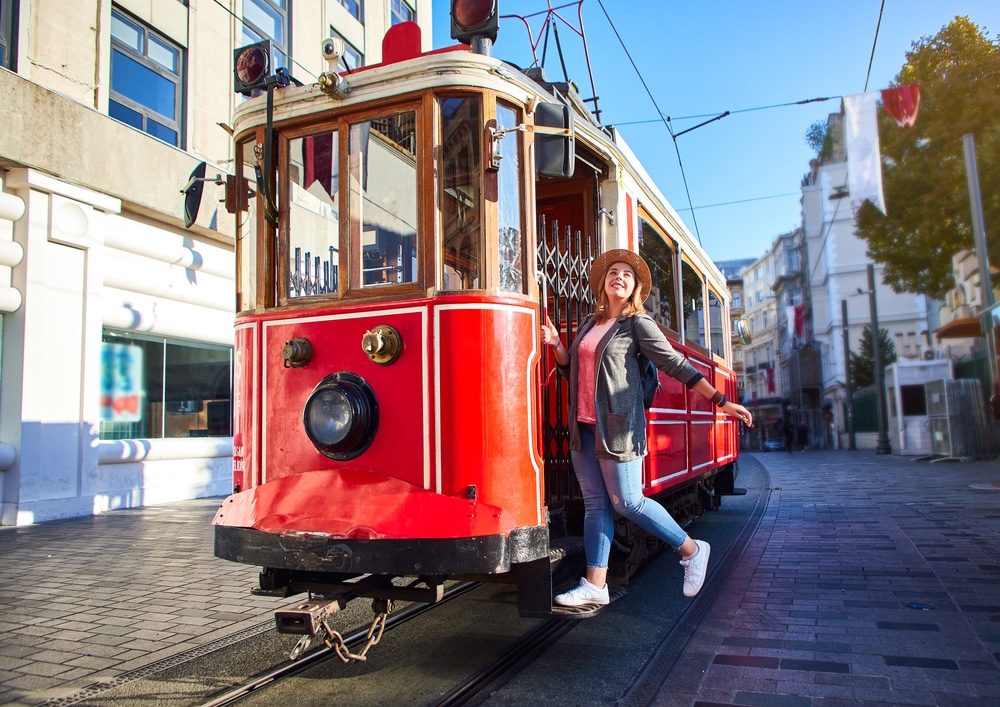
🚍 Transportation Card vs City Pass: Which One Is Right for You?
When it comes to Public Transport in Istanbul, the best option depends on how you plan to move around the city and how much sightseeing you want to do. There’s no single right choice for everyone.
Here’s a simple way to decide.
🎫 Choose a Transportation Card if:
A basic transportation card is usually enough if:
- 🚶 You plan to walk a lot and use public transport occasionally
- 🔁 You’ll make only a few rides per day
- 🏛️ Museums and attractions are not your main priority
- 💸 You want the lowest upfront cost and maximum flexibility
This option works well for short stays, relaxed itineraries, or travelers who enjoy exploring neighborhoods on foot.
🏛️ Choose a City or Museum Pass if:
A city or museum pass makes more sense if:
- 🎟️ You plan to visit several museums or major attractions
- ⏱️ You want to skip ticket lines and save time
- 📊 You prefer fixed costs instead of buying individual tickets
- 🗺️ You’ll be traveling between different districts frequently
These passes are especially useful for first-time visitors who want to see the highlights without constantly managing tickets.
⏳ Short Stay vs Longer Stay
- For trips lasting 1–2 days, a transportation-only option is often enough, especially if your plans focus on one area.
- For stays of 3 days or more, combining transport with attraction access can become more time-efficient and cost-effective.
👋 First-Time Visitors vs Repeat Visitors
- First-time visitors often benefit from bundled options that include major attractions.
- Repeat visitors or slow travelers may prefer a simple transport setup and choose attractions selectively.
✅ Quick Takeaway
Public Transport in Istanbul is affordable and easy to use, but the smartest choice depends on how you travel.
Saving money isn’t just about choosing the cheapest option—it’s about choosing what fits your plans, pace, and priorities.

People Also Ask About Public Transport in Istanbul
Public transport in Istanbul is paid using a contactless card system. Travelers tap their card when entering metros, trams, buses, ferries, and funiculars. Cash is not accepted on vehicles, so having a valid transport card or prepaid option is essential for getting around the city smoothly.
Yes, tourists can easily buy and use Istanbulkart. It’s available at airport stations, metro stations, kiosks, and vending machines across the city. The card works for almost all public transport and can be topped up as needed.
Yes, public transportation in Istanbul is extensive, affordable, and reliable. Major tourist areas are well connected by metro, tram, and ferry lines. While buses can be affected by traffic, rail-based transport is generally efficient and easy to use, even for first-time visitors.
The most affordable way to travel in Istanbul is using public transport with a transportation card. This allows access to metros, trams, buses, ferries, and funiculars at local rates, making it much cheaper than taxis or private transfers for daily travel.
Most tourists get around Istanbul by combining walking with public transport. Trams and metros are commonly used for sightseeing, ferries for crossing between Europe and Asia, and buses for local routes. Some travelers also use private transfers or taxis for airport arrivals or late-night travel.
Private transfers can be worth it if you value comfort, time savings, or convenience. They are especially useful for airport arrivals, late-night transfers, travelers with luggage, families, or those staying far from public transport lines. While more expensive than public transport, they reduce stress and travel time.
The best transfer from Istanbul Airport depends on your priorities. Public transport is the most budget-friendly option, while private transfers offer the fastest and most comfortable door-to-door service. Travelers arriving late or with luggage often prefer private transfers.
Uber is generally not cheaper than regular taxis in Istanbul. In most cases, Uber operates using licensed taxis with similar pricing. Costs depend on distance, traffic, and time of day, so there is usually little price difference between Uber and standard taxis.

Public Transport in Istanbul offers a wide range of options, from metros and trams to ferries, buses, and airport connections. Once you understand how the system works, getting around the city becomes both affordable and efficient. Whether you rely mainly on public transport, choose private transfers for comfort, or combine transport with sightseeing passes, the key is planning based on how you actually travel, not just what looks cheapest at first glance.
By aligning your transportation choices with your itinerary, travel pace, and the areas you plan to explore, you can save time, avoid unnecessary stress, and manage your budget more effectively. Istanbul is a city best enjoyed at your own rhythm, and the right transport setup allows you to focus less on logistics and more on experiencing its neighborhoods, history, and everyday life.